India and Netherlands Quantum Launch Initiatives To forward Technology
India and Netherlands Quantum Launch Initiatives To forward Technology
On April 14, 2025, aligning with World Quantum Day and the United Nations’ International Year of This Science and Technology, India and the Netherlands announced new national initiatives related to quantum technology. India released its first International Technology Engagement Strategy for Quantum (ITES-Q), intended to guide international cooperation in quantum science, technology, and innovation. Concurrently, the Netherlands opened a new quantum hub in Delft, increasing its capacity to test quantum information technology. These developments reflect each nation’s focus on exploring quantum technology’s role in national strategy, industrial progress, and global collaboration. This article examines these initiatives, their relevance to key industries, and the challenges ahead, based on verified information.
India’s Framework: Guiding Global Cooperation
India’s ITES-Q, presented by Prof. Ajay Kumar Sood, Principal Scientific Adviser to the Government, establishes a structure for advancing technology through the National Quantum Mission (NQM). The strategy emphasizes partnerships across government, academia, and industry, prioritizing international engagement. During a World Quantum Day podcast, Sood highlighted quantum technology’s importance for national security. “No nation can afford to lag in this critical area,” he said, noting that being “quantum safe” is essential for strategic autonomy.
The ITES-Q report identifies India’s dependence on imported quantum hardware as a significant challenge. Sood urged greater investment in domestic manufacturing, stating, “We need to cut our dependencies on imports, and developments in all aspects of quantum computing can assist with that.” He also emphasized supporting startups by fostering markets for quantum products, requiring collaboration among stakeholders.
The report analyzes global and domestic quantum ecosystems, covering investments, talent, research, and industrial activity. The NQM’s hub-and-spoke model, involving 152 researchers from 43 institutions across 17 states and two Union Territories, aims to link research with practical applications. For industries like manufacturing and IoT, quantum computing is under research for possible applications in supply chain optimization, sensor processing, and predictive maintenance.
Sood stressed the importance of contributing to global standards for this new tech. “We must become a proactive player in setting the world standards for Quantum Tech,” he said, highlighting that standardization facilitates market access. Quantum protocols are being studied for potential applications in secure data processing that may one day assist urban planning, though further research is needed.
Netherlands’ Quantum Hub: Expanding Delft’s Capabilities
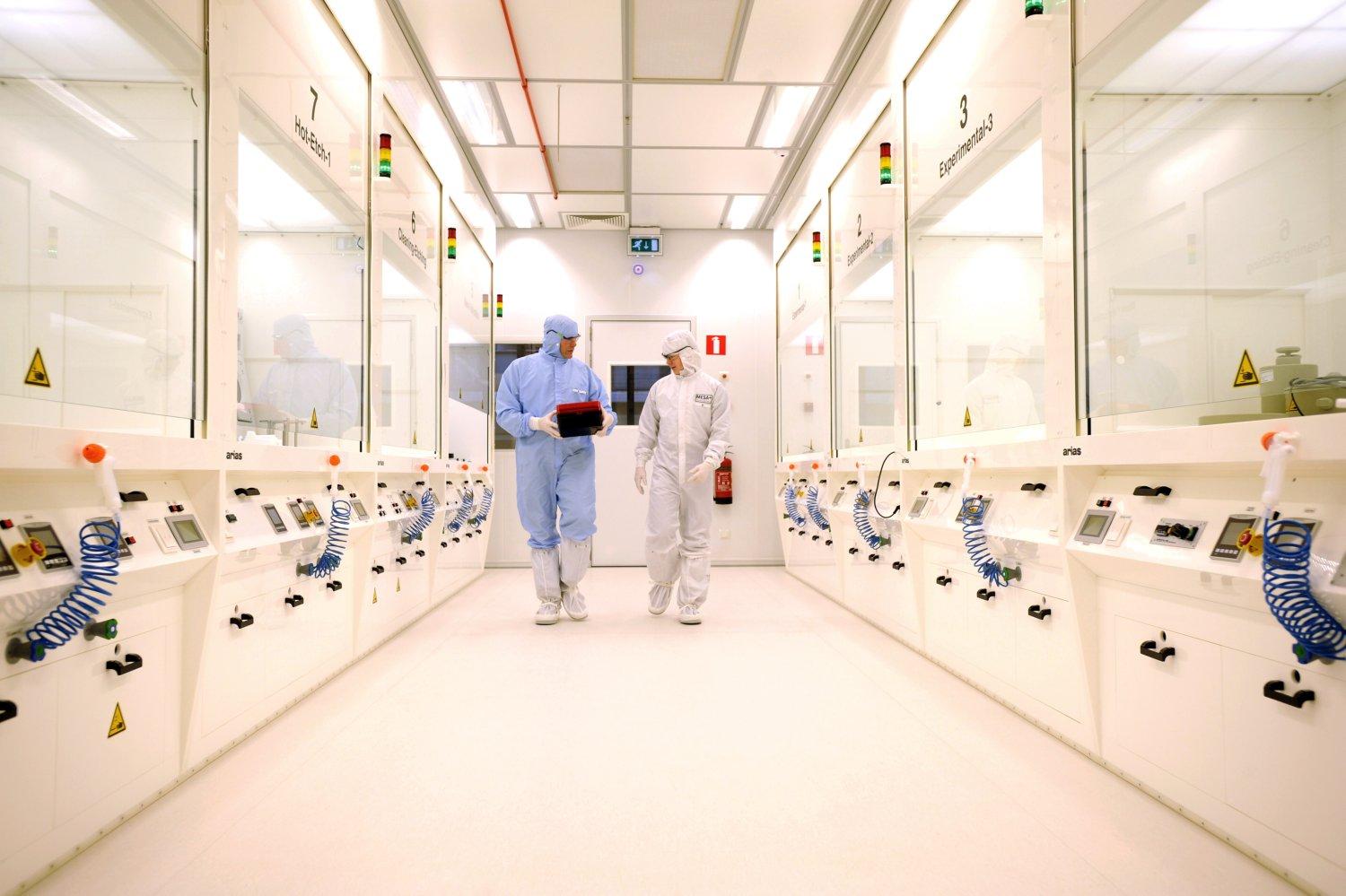
In the Netherlands, TNO’s new quantum hub at Delft’s House of Quantum, supported by the Quantum Delta NL program, doubles testing capacity for quantum technologies. Located near TU Delft, the hub taps into regional expertise to aid Dutch startups. Constantijn van Oranje of Techleap emphasized its role: “By expanding the testing facilities for quantum information technology, TNO offers Dutch startups the crucial resources they need to accelerate their development, creating a collaborative environment for future quantum solutions.”
The hub focuses on validating the chips, vital for reliable quantum systems. Independent testing assesses performance and compatibility, supporting commercialization. For sectors like logistics and smart buildings, ongoing projects aim to assess whether this computing tech can contribute to optimizing routing or energy management systems, particularly with the demands of 5G/6G networks. TNO’s expertise in system engineering and qubit characterization strengthens the Netherlands’ role in these areas.
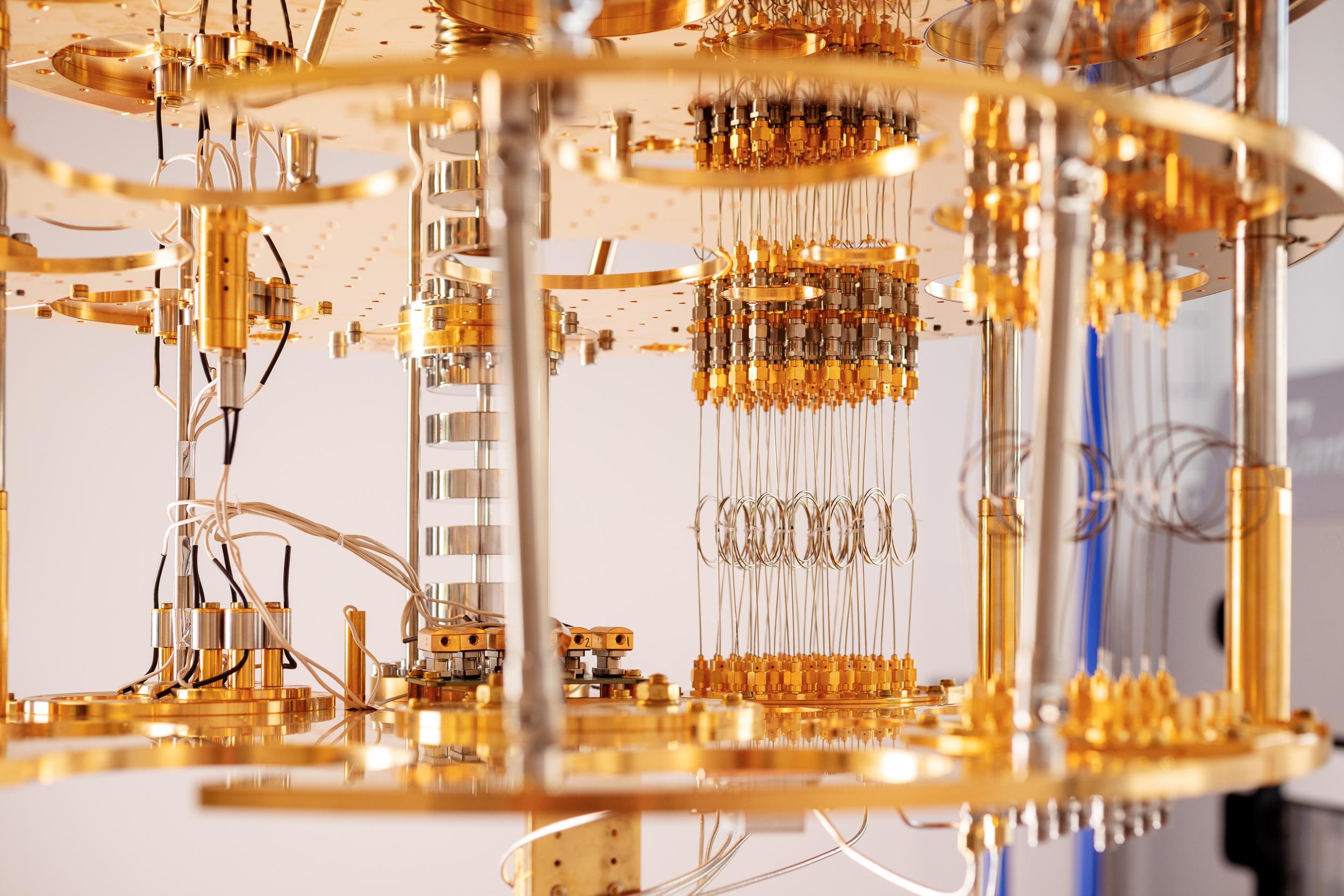
This expanded access may support innovation efforts related to sustainability, though long-term outcomes remain to be seen. By offering shared infrastructure, the hub allows small and medium enterprises (SMEs) to engage with this new potential in technology, promoting broader participation.
Aligned Efforts: Opportunities for Partnership
India and the Netherlands pursue complementary goals, fostering potential for collaboration. India’s emphasis on global standards aligns with the Netherlands’ focus on testing and validation. Indian researchers could leverage Delft’s facilities to refine the Tech’s hardware, while Dutch startups might explore India’s growing market. Both nations target applications in manufacturing and smart cities, where quantum technology is under active study.
Researchers are evaluating the technology for its possible impact on system modeling, especially in digital twin applications for manufacturing. In smart cities, tech-enhanced IoT networks are being explored for their potential to improve traffic and energy systems, though these concepts require further validation and are not advanced yet. These efforts are still in preliminary stages, let’s be clear about that.
Challenges include funding shortages for India’s startups, with Sood noting the need to “de-risk the investment” through market creation. The Netherlands operates in a competitive ecosystem, with countries like the U.S. and China leading in investments and patent filings. Both nations face talent gaps, highlighting the need for enhanced education programs.
Future Considerations: Opportunities and Hurdles
The initiatives from India and the Netherlands underscore the innovative technology’s relevance to industries like automation, logistics, and urban development. In automation, these new systems are being studied for potential computational improvements, though practical applications remain under exploration.
Scaling these efforts requires addressing systemic challenges. Intellectual property frameworks must balance protection and collaboration. Global standards, as Sood advocated, are essential for interoperability in IoT and 6G networks. Sustainability is also critical—these new systems can be energy-intensive, requiring efficient designs to support green goals.
Some researchers speculate that combining the computing with AI may open new possibilities, such as enhancing real-time simulations in urban planning—though this remains in early conceptual stages. Policymakers will need to monitor these developments, ensuring innovation aligns with ethical considerations like data security.
Conclusion: A Foundation for New Progress
India’s ITES-Q and the Netherlands’ Delft hub represent focused efforts to advance in this new technology. By prioritizing collaboration, standardization, and practical applications, both nations are contributing to the global landscape. For sectors like manufacturing, logistics, and smart cities, ongoing research seeks to clarify potential benefits, from efficiency to security.
As Sood noted, “Our market is not just the Indian market but the global one.” The Netherlands shares this global perspective, with Delft’s hub fostering solutions that could have worldwide impact. Together, these initiatives lay a foundation for evidence-based progress in this powerful technology, grounded in cooperation and careful exploration.
More Info here – To submit a story to us, address it to “the Editor” here
Image copyright: https://quantumdelta.nl/
Disclaimer
The information provided in this article is for general informational purposes only and is derived from publicly available sources. While every effort is made to ensure accuracy, we make no representations or warranties, express or implied, regarding the completeness, reliability, or validity of the content. This article does not assert or verify any claims about specific companies, individuals, or organizations. References to external reports, studies, or sources are for contextual purposes only and do not imply endorsement or confirmation of any specific allegations. Readers are advised to conduct their own due diligence and seek professional advice before making business or investment decisions. We disclaim any liability for losses or damages incurred as a result of reliance on the information provided.